
Hot Products
-
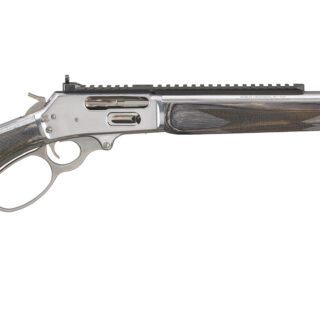 MARLIN MODEL 1895 SBL SERIES .45-70 Govt Rifle
$1,249.00
MARLIN MODEL 1895 SBL SERIES .45-70 Govt Rifle
$1,249.00
-
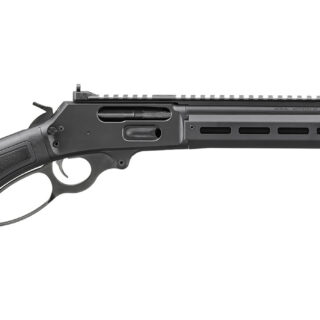 Marlin Dark Series 1895 .45-70 Govt Lever-Action Rifle
$1,149.00
Marlin Dark Series 1895 .45-70 Govt Lever-Action Rifle
$1,149.00
-
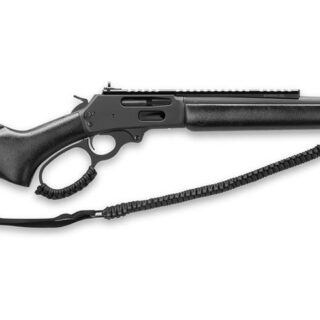 Marlin Dark Series 336 30-30 Win Lever-Action Rifle
$1,049.00
Marlin Dark Series 336 30-30 Win Lever-Action Rifle
$1,049.00
-
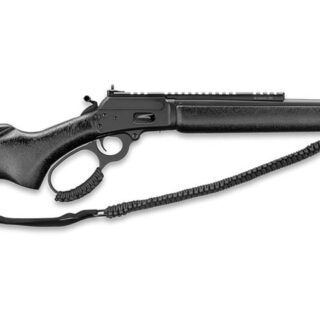 Marlin 1894 Dark 44 Special / 44 Mag Lever-Action Rifle
$1,099.00
Marlin 1894 Dark 44 Special / 44 Mag Lever-Action Rifle
$1,099.00
-
 MARLIN MODEL 336 30-30 Win CLASSIC SERIES
$1,039.00
MARLIN MODEL 336 30-30 Win CLASSIC SERIES
$1,039.00

257 Roberts Ammo – Classic Hunting Power You Can Trust
The Legendary .257 Roberts Ammunition
The 257 Roberts Rifle For Sale, often called the 257 Roberts, is a favorite among serious hunters who want excellent performance without punishing recoil. This classic cartridge combines speed, accuracy, and knockdown power, making it one of the most versatile options for medium game hunting. 12 Guage
If you’re looking for reliable .257 Roberts ammo, you’re in the right place. This page brings together the best factory loads for hunting and range use.
Why Shooters Choose 257 Roberts Rifle For Sale
Excellent Accuracy and Flat Trajectory
.257 Roberts ammo is known for its flat-shooting nature. It maintains velocity well and drops very little at typical hunting distances. This makes it perfect for shots out to 300 yards and beyond on deer, antelope, and coyotes.
Mild Recoil for Comfortable Shooting
One of the biggest advantages of 257 Roberts ammunition is its gentle kick. It’s easy on the shoulder, which means you can shoot more rounds comfortably — whether you’re sighting in your rifle or spending a full day in the field.
Proven Performance on Game
This caliber delivers clean, ethical kills on whitetail deer, mule deer, pronghorn, and feral hogs. The wide selection of bullet weights gives you options for different hunting situations. Bulk 5000 rounds Ammo
Types of .257 Roberts Ammo We Carry
Hunting Loads
Soft Point Bullets
Traditional soft point .257 Roberts ammo expands quickly for fast energy transfer and excellent terminal performance on medium-sized game.
Polymer Tipped Ammunition
These modern high-performance loads offer better aerodynamics, higher ballistic coefficients, and controlled expansion at longer ranges. shop from Bing
Range and Practice Ammo
Full metal jacket (FMJ) .257 Roberts rounds are ideal for target practice and zeroing your rifle without using up expensive hunting ammunition.
Popular Bullet Weights in .257 Roberts Ammo
100 Grain Options
Light and fast – great for varmint control and flatter trajectory.
117 Grain Loads
The classic weight for .257 Roberts. Offers a great balance of speed and energy for deer-sized game.
120 Grain Bullets
Heavier projectiles that deliver more momentum and deeper penetration on tougher game.
Who Should Use .257 Roberts Ammunition?
This caliber is an outstanding choice for:
- Experienced hunters who appreciate classic cartridges
- Newer shooters who want low recoil
- Anyone who owns a .257 Roberts rifle and needs quality factory ammo
- Hunters who pursue deer, antelope, and predators in open terrain
Shop the Best .257 Roberts Ammo Online
We stock top-quality 257 Roberts Rifle For Sale from trusted manufacturers at competitive prices. Whether you need hunting rounds for your next trip or practice ammo to stay sharp, you’ll find reliable options right here.
Browse our full collection today and enjoy fast, secure shipping on all in-stock .257 Roberts ammo. Bulk 9mm AMMO
Dynamic Range

For coyotes, like lightning striking. For larger game, 1915 bullet technology probably wasn’t up to that speed. Deer hunters discovered the .250 Savage was more consistent with 100-grain bullets a bit slower. Either way, the .250 Savage was extremely popular.
Well, if a little is good, then more must be better, right? The .25-06 was developed at Frankford Arsenal during WWI. It was able to propel a 100-grain bullet at the magic 3000 fps. However, overbore capacity was an issue, too big a case to efficiently burn the powders of the day. After the war, the .25-06 remained a common wildcat for 50 years.
Still, thanks largely to the .250 Savage, the quarter-bore was an American darling. How about just a little bit more? Instead of the .30-06 case, how about the 7×57 case? Ned Roberts was apparently a perfectionist as a tinkerer. Through the 1920s he worked on various versions, trying to get case capacity just right. His .25 Roberts used a shorter case, created by trimming 7×57 brass. The similar .25 Griffin & Howe used the full-length 2.235-inch 7×57 case. In 1934, Remington’s version also used (almost) the full-length 7×57 case and changed Roberts’ 15-degree shoulder to 20 degrees. Remington dubbed their version .257 Roberts.
Photo Gallery

Advertisement
https://www.rifleshootermag.com/video_iframev9.aspx?vid=0&pronly=true&sz=400×300&ad-tag-video-id=285358&playloc=2&articleid=525093§=gear,ammo,gear-ammo&camp&playerLocation=inline-two&playerType=default&pageUrl=https%3A%2F%2Fwww.rifleshootermag.com%2Feditorial%2F257-roberts-centerfire-rifle-cartridge%2F525093&reset=1779618427
Regardless of which version achieved the most perfect capacity and shoulder angle, the 7×57 case solved the .25-06’s over-bore-capacity issue. In 1934, most existing bolt-actions preceded WWI, so from the beginning .257 Roberts factory loads were mild, held to 54,000 psi. They exceeded .250 Savage velocities, but not by much. In those days, serious American rifleshooters handloaded. With handloads in strong actions—’98 Mauser, Springfield, US Enfield, Remington M30, Winchester M54 and later M70—Old Bob strutted his stuff: 90-grain bullet to 3200 fps; 100-grain bullet to 3100 fps; 120-grain bullet over 2800.
Higher Pressure
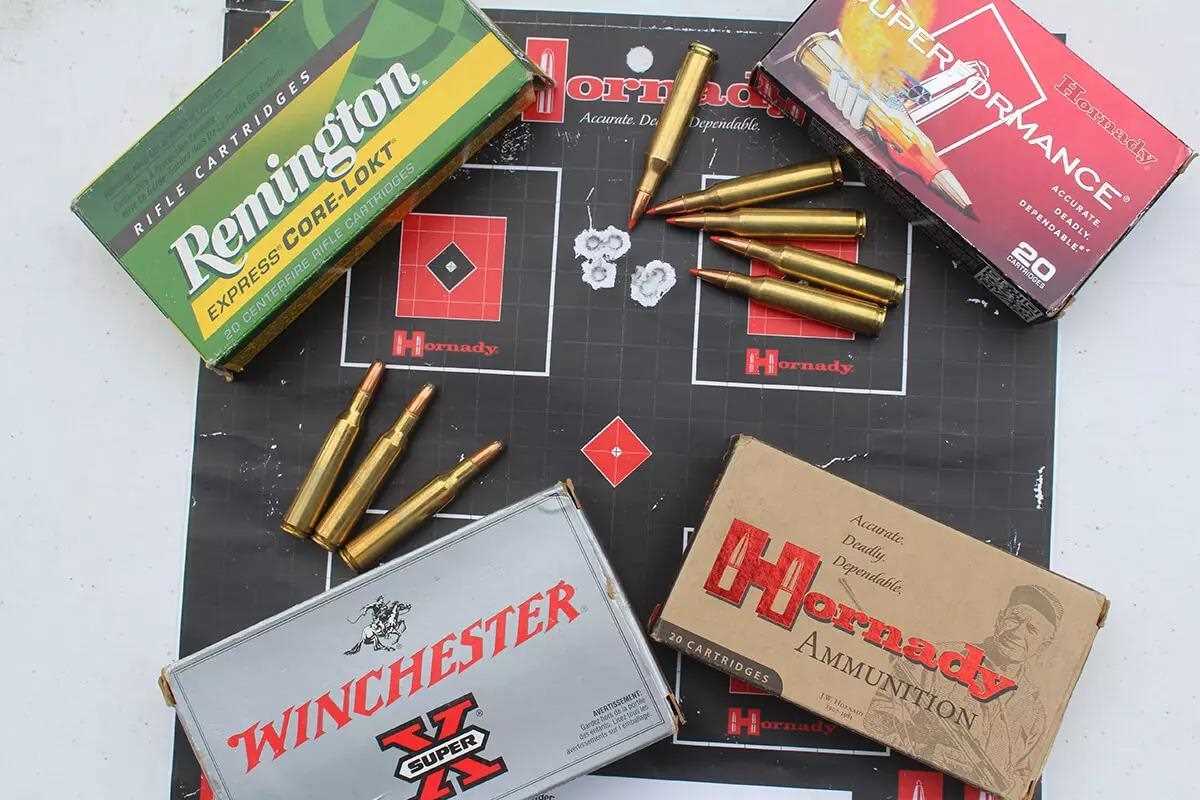
In the 1980s Remington re-specified the .257 Roberts to higher pressure, a +P loading at 58,000 psi. Common with handgun cartridges, this is the only time this has been done with a centerfire rifle cartridge. Standard +P loadings are: 87-grain bullet at 3200 fps; 100-grain bullet at 3000; 117-grain bullet at 2800. Nothing new for handloaders. Even so, the +P loads generated some new interest in Old Bob. Except: The .25-06 cat was long out of the bag.
By the time the .25-06 Remington became a factory cartridge in 1969, propellants had advanced from the 1920s, better able to utilize the case capacity. The .25-06 runs about 100 fps faster than the Roberts with lighter bullets, and as much as 200 fps faster with 120-grain bullets.
This is significant, although I’m not certain anything from prairie dogs to pronghorns will know the difference…and no .25-caliber is suitable for pachyderms. The .257 Weatherby is faster yet, about the same margin over the .25-06. However, the .25-06 and .257 Wby burn a lot more powder to get there. More heat, friction, and shorter barrel life. Also, more blast and recoil.
Again, it depends on what you want to do. With today’s deep-penetrating bullet designs, the .25-caliber can be stretched to elk-sized game. Mind you, I wouldn’t go elk hunting with any .25, but folks do and can. The .257 was Roy Weatherby’s personal favorite, and I’m told the .25-06 is popular among South African hunters for game up to kudu. For game larger than deer, whether elk or larger African antelope, probably wise to combine bullet weight with as much velocity (and resultant energy) as you can get.

Our Reviews
Yankee Tankie
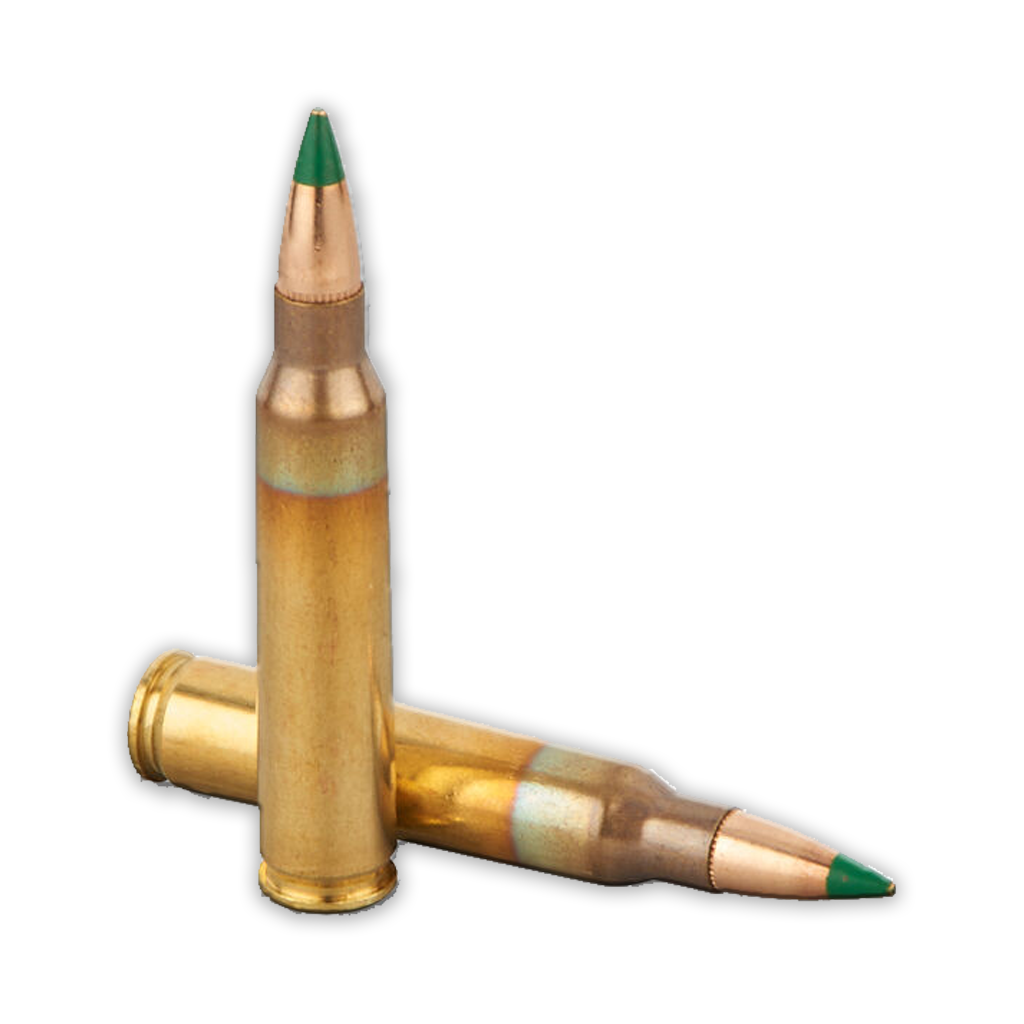
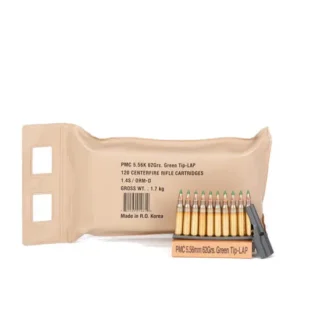
Wow the green tip ammo really takes me back to the GWOT days in Iraq. One thing about these nato penetrator rounds I'd have to say is boy my boys and I did so much unwanted and unconsentual penetrating with these rounds it almost rivaled a slow day on Epstein island. 😆
Ricky Overtrue
I have been shooting imi for years. It's clean, reliable and most important accurate. Combine that with lightning fast shipping and you have a winning combination. Thanks Midway Weapons.
Jake L.
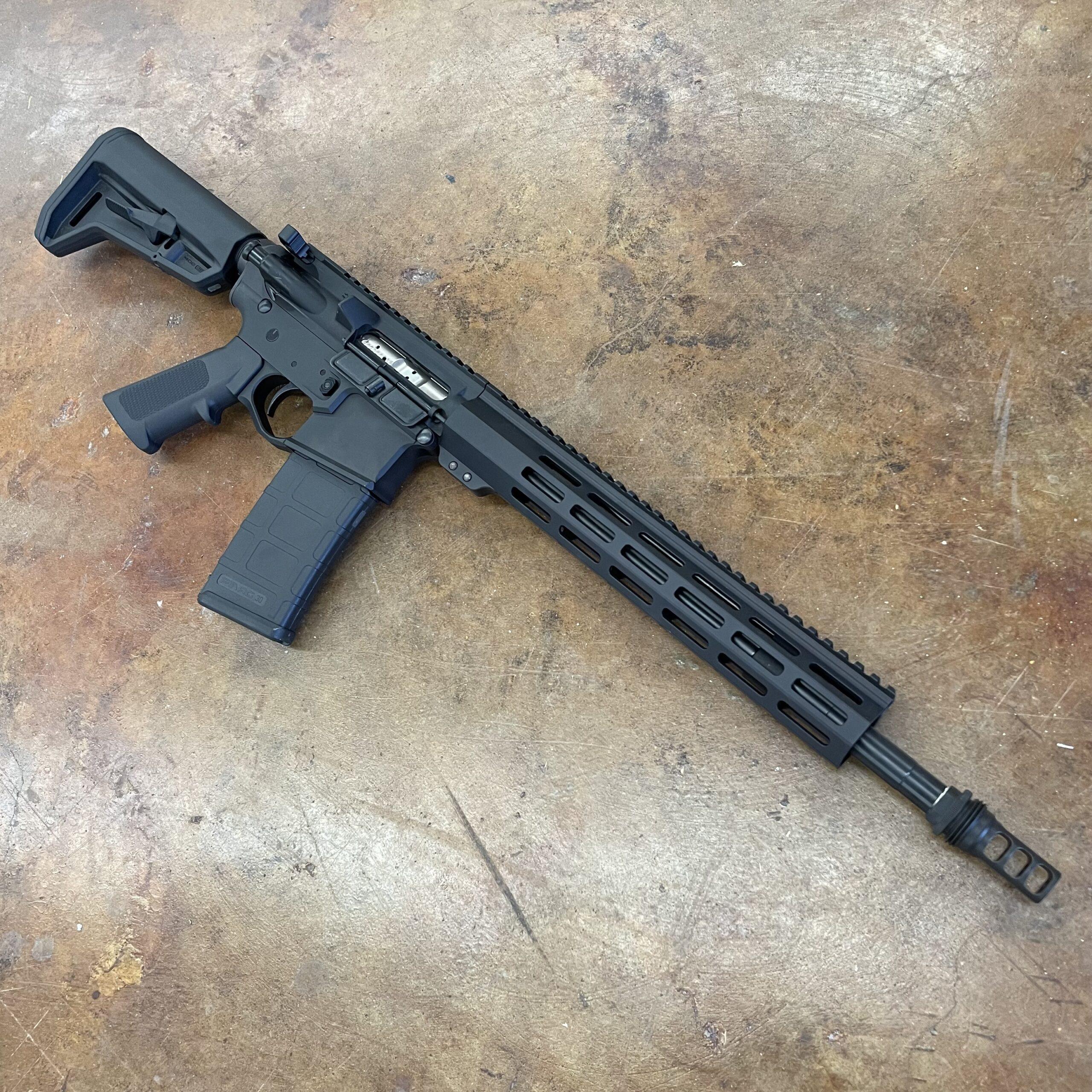
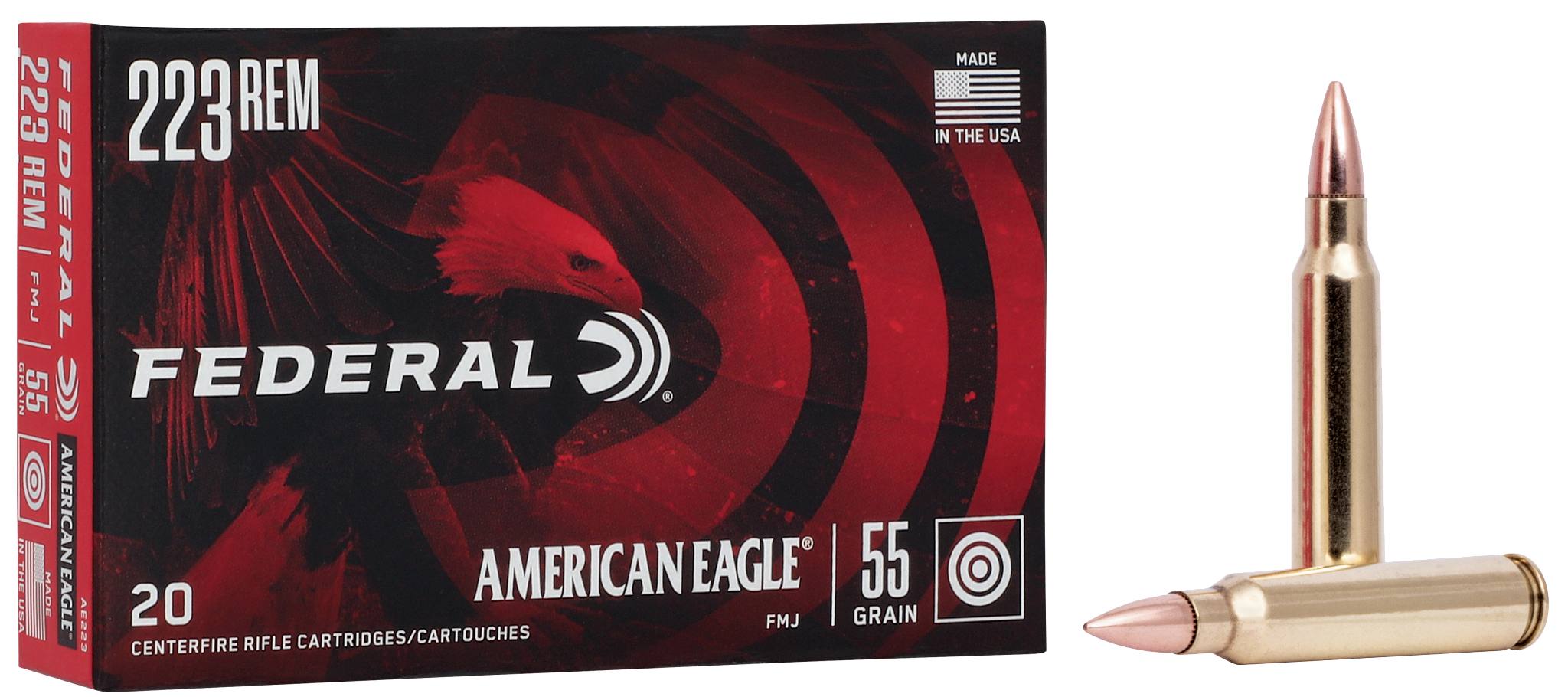
Shot this ammo on a 200 yard range, with an 14.5 inch AR and a red dot. Almost all of the hits were in a 6 by 6 inch target, nicely clustered together. I was quite pleased, since I hardly could see the target



Leave a Reply